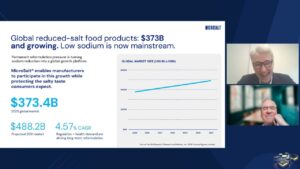



The Decade Trans Fat Spent on the Shelf
When the FDA finalized its trans fat labeling rule in 2003, the science was already settled. The reformulation was not. Partially hydrogenated oil stayed in thousands of products for years, not because manufacturers disagreed with the evidence, but because nothing else delivered the same shelf life, texture and cost. Once the replacements matured, the industry moved quickly. The change followed capability, not conviction.
Sodium is sitting in the same waiting room. In July, researchers at Johns Hopkins found that packaged foods launched after the FDA’s 2021 voluntary targets were no lower in sodium than those launched before.
That is less a story about intent than about tools. Salt carries flavor, balances bitterness and does structural work in doughs, brines and cured proteins. Removing it has always meant paying for the reduction somewhere else.
That calculation has changed. MicroSalt® is real salt, not a substitute and not a blend, delivering the full salt flavor consumers expect with up to 50% less sodium by weight. No potassium chloride, no bitter aftertaste, and a 1:1 drop-in that needs no new equipment and no production changes.
If sodium is on your 2027 roadmap, we would be happy to walk through it with you.

GLP-1 Shoppers Are Reading the Panel, Not the Front of Pack
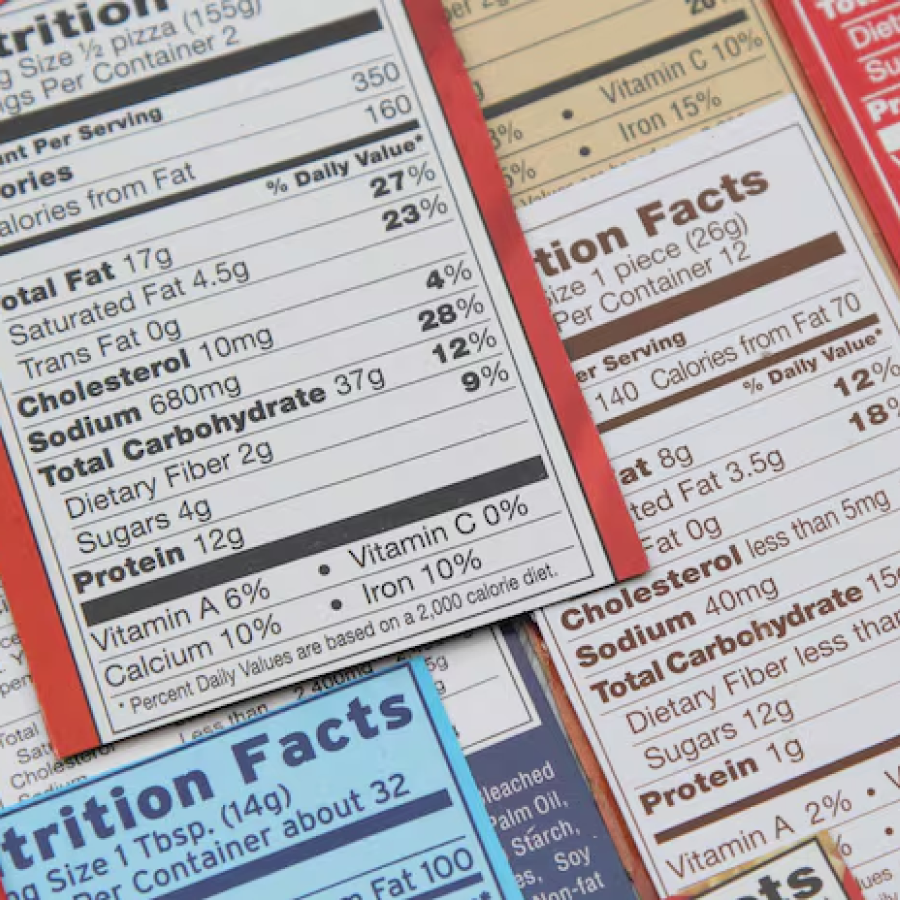
New survey data shows consumers on GLP-1 medications are bypassing “GLP-1 friendly” badges and going straight to protein, fiber, ingredient lists and serving size. Forty percent said a simple ingredient list is what helps them decide. Front-of-pack messaging now has to be backed by something the panel can prove.
Read more
Global Sodium Intake Still Double the Recommended Limit, WHO Finds
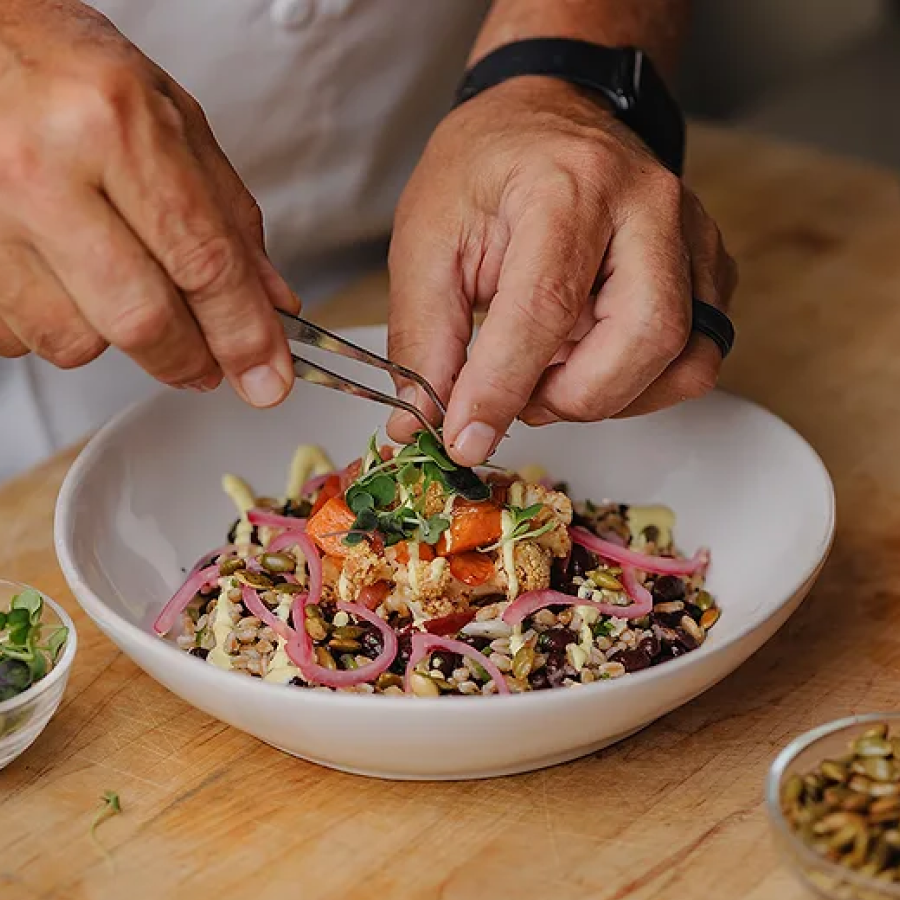
The World Health Organization reports average daily sodium intake worldwide sits at 4,310 mg, more than double the 2,000 mg ceiling it recommends, a gap that explains why regulators across markets are moving from voluntary targets to mandatory reduction rules.
Read more
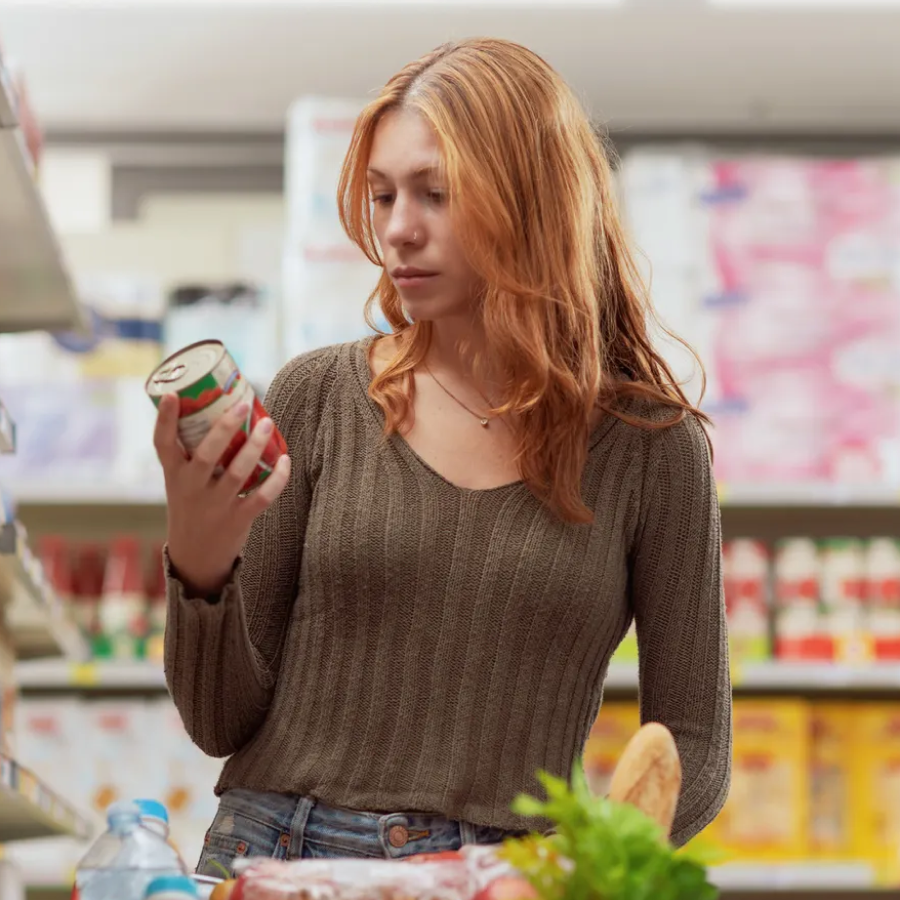
California Approves the First Statewide Non-Ultraprocessed Food Seal
California has approved a voluntary “non-ultraprocessed certified” seal and will require large grocers to display certified products prominently. The state’s definition of ultraprocessed covers products high in sodium, so a formulation choice now decides whether a product can carry the seal at all.
Read more
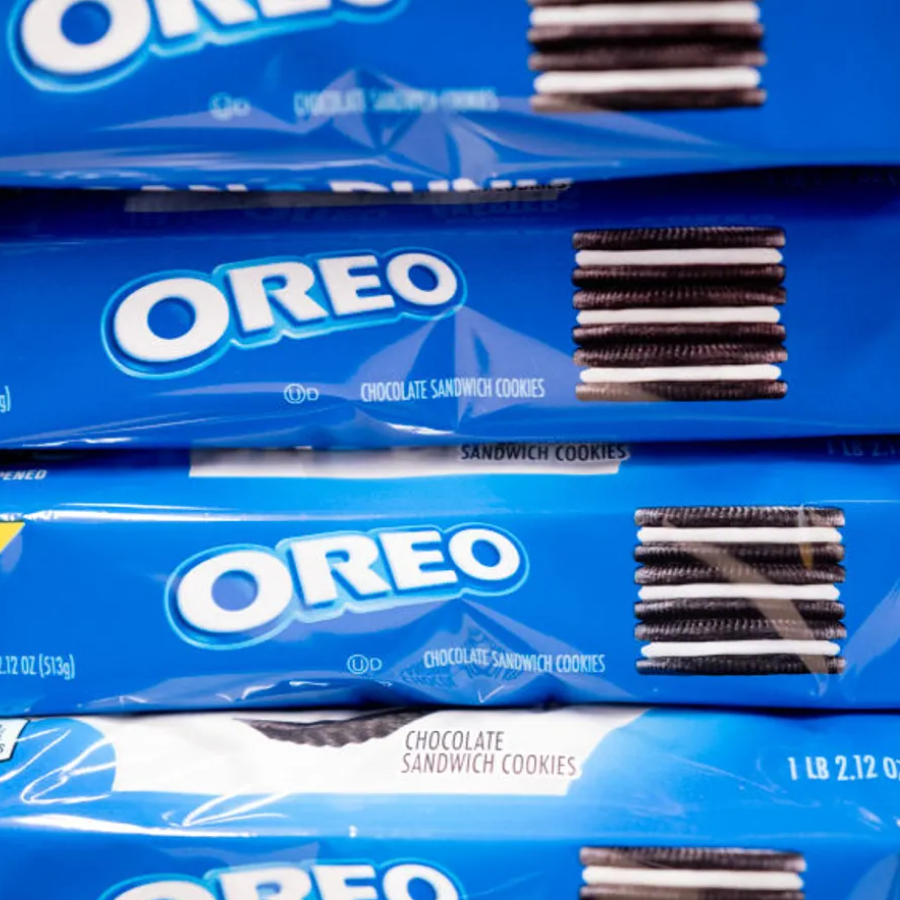
Mondelēz Will Relaunch Oreo in 2027 with New Formulas
Mondelēz is planning a full relaunch of a brand approaching $5 billion in sales, covering packaging, price points and, in some cases, new formulas aimed at better labels. When a brand that size reopens its specifications, the window to review your own is the same one.
Read more