



A new sodium threshold changes the formulation math
Last October, California became the first US state to write ultra-processed food into law. AB 1264 begins phasing the most concerning UPFs out of school meals in 2029, and the state has since built a voluntary non-UPF seal on the same definition.
Most of the debate has focused on additives. The detail that matters for sodium sits in the second test. A product containing a listed functional ingredient counts as ultra-processed if it is also high in saturated fat, added sugar or sodium, and California defines high sodium as a sodium-to-calorie ratio of 1:1 or greater, one milligram per calorie.
For the first time, sodium can help decide how a formulation is assessed under a statutory UPF definition. A 150-calorie serving with 180 mg of sodium sits above the line. At 140 mg, it sits below. Whether that changes the outcome depends on the rest of the recipe, but sodium is now part of the calculation. Notably, the law’s list of functional ingredients excludes salt itself.
The obstacle has always been taste. Cut the salt and flavor goes with it, which is why so many reductions stall.
MicroSalt® offers a practical route. It is real salt, delivering the full salt flavor consumers expect with up to 50% less sodium by weight. No potassium chloride, no bitter aftertaste, and it replaces salt one for one, with no new equipment or production changes.
If California’s definition is on your 2027 agenda, we would be glad to run the numbers with you.

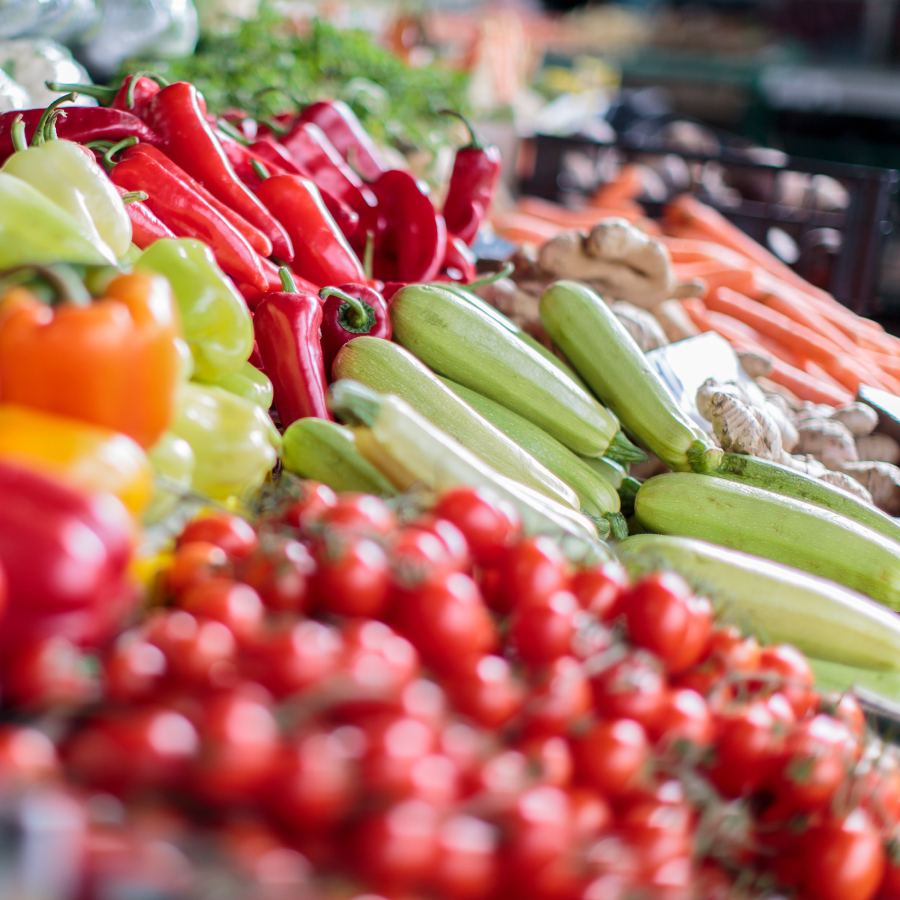
92% of Shoppers Want to Eat Better, Only 14% Think They Do
An Ahold Delhaize survey of 8,000 shoppers in seven markets finds healthy intentions stalling on price, confusion and convenience. Just 13% feel very confident identifying a healthy product. The retailer’s message to suppliers: healthier ranges are growing faster, so the gap is a commercial opening, not a cost. Read more.
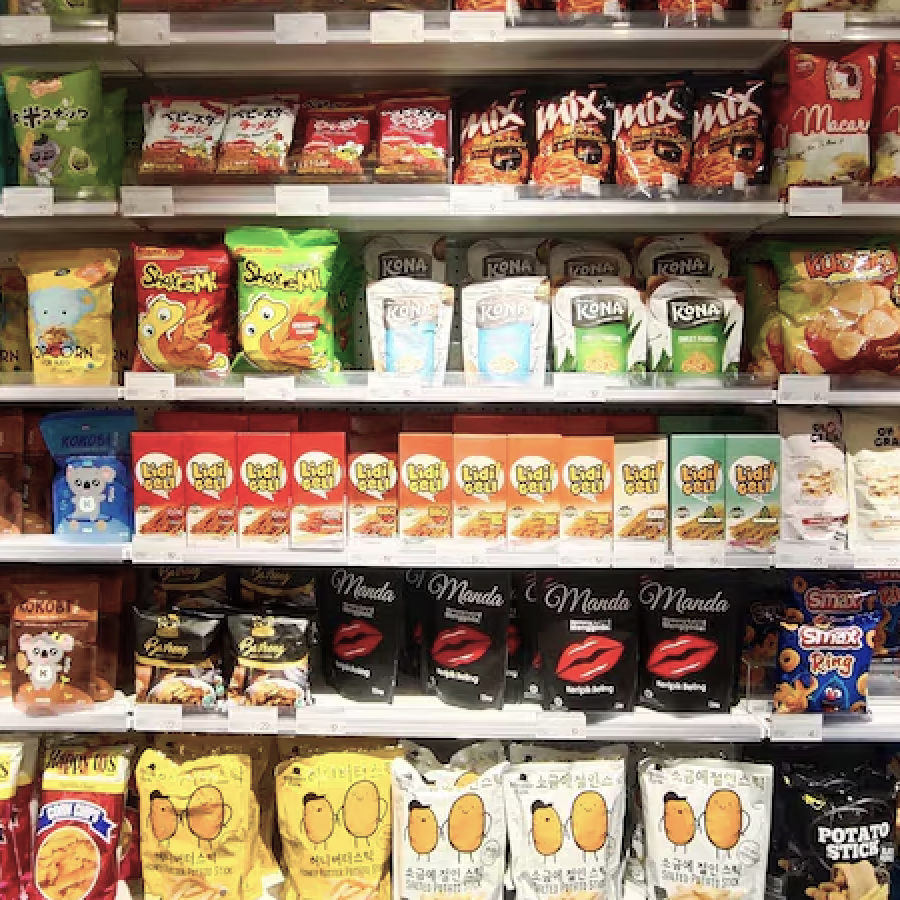
Big Food Now Lists Ultra-Processed Scrutiny as an Investor Risk
Campbell’s, PepsiCo, Conagra, Kraft Heinz and JM Smucker now flag UPF definitions, labeling laws and litigation in their SEC filings. PepsiCo also cites color-coded labels that grade sodium in other markets. Formulation choices are now showing up in risk disclosures, which is where investors start asking about them.
Read more.
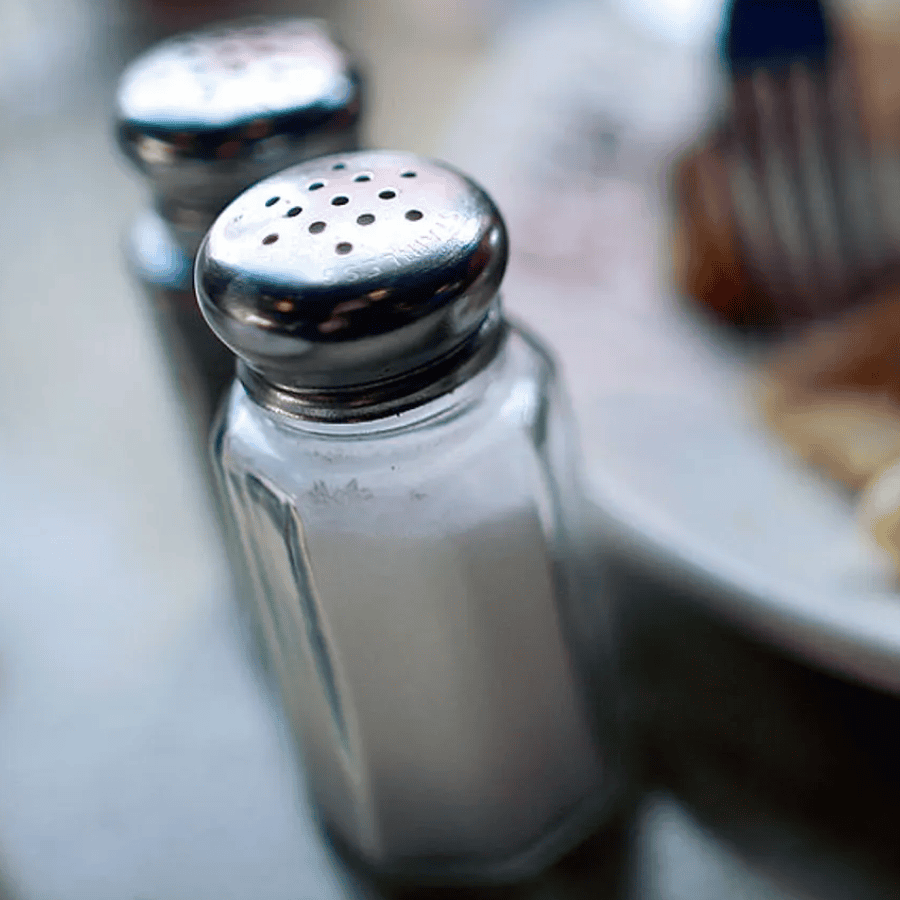
California Approves the First Statewide Non-Ultraprocessed Food Seal
A final rule lets manufacturers use salt substitutes in milk, bread, condiments and dozens of other staples whose standards of identity used to require salt. Since the FDA’s 2021 sodium targets, sodium across categories has fallen a median of only 3%. Now the question is how far each recipe can move without changing what consumers expect from the food.