

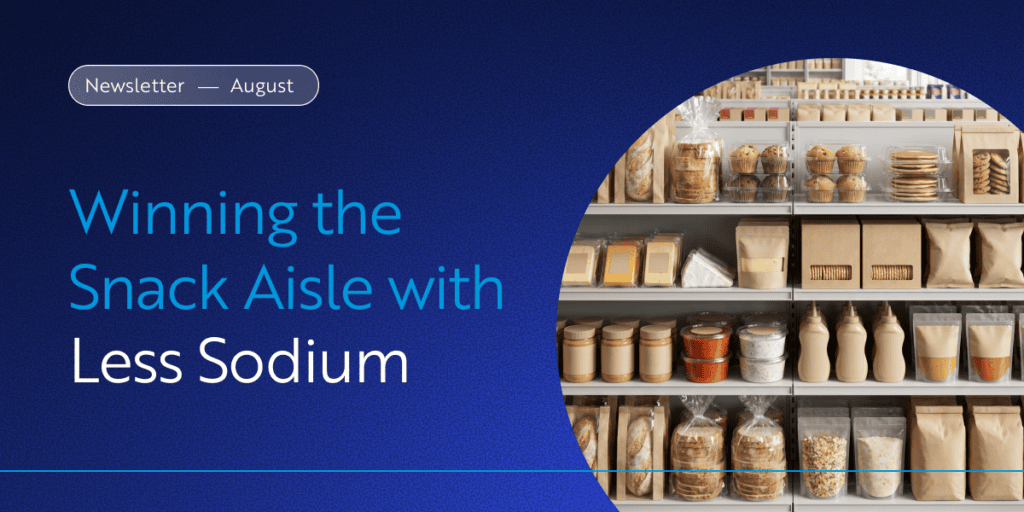
History is about to repeat itself, but the stakes are higher.
In the late 2000s, Britain’s best-selling crisp brand pulled off something remarkable: it reduced sodium without consumers noticing. Working towards the UK’s voluntary salt reduction targets, Walkers gradually lowered sodium year after year. Taste stayed the same. Sales remained strong.
Nearly two decades later, it remains one of the best examples that successful sodium reduction can be invisible to consumers.
Today, the snack category is once again leading the conversation. New market research projects that snacks will account for roughly 35% of global demand for sodium reduction solutions in 2026, the largest share of any category: as chips/crisps, savory snacks, and nuts are reformulated at scale. The consumer pull is just as strong: 35% of U.S. consumers now say “low in salt” is an important attribute when choosing a snack, and the U.S. salty snacks market is expected to near $32 billion this year even as shoppers grow more selective.
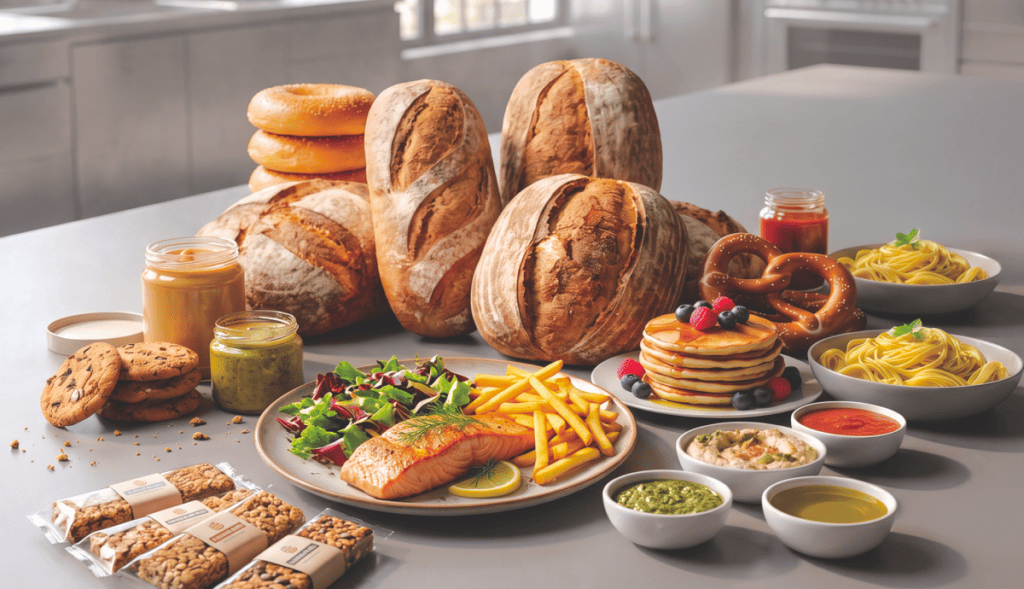
For manufacturers, snacks are often the fastest place to demonstrate success, but the opportunity extends far beyond chips. The same ingredient can be used across surface seasonings, bakery, processed meats, soups, sauces, ready meals, batters, brines and foodservice applications, allowing companies to reduce sodium across multiple product lines with a single solution.
That’s where MicroSalt® comes in. It is real salt, not a substitute, not a blend, delivering the full salt flavor consumers expect with up to 50% less sodium by weight. No potassium chloride. No bitter aftertaste. No changes to existing production lines. Just a simple 1:1 replacement that helps manufacturers move faster without compromising taste.
What took years of gradual reformulation can now be achieved in a single product launch.
The lesson from Walkers still holds true: the best reformulations are the ones consumers never notice. The brands that succeed will be the ones that reduce sodium while keeping the taste people love.
Cut the sodium, not the flavor.

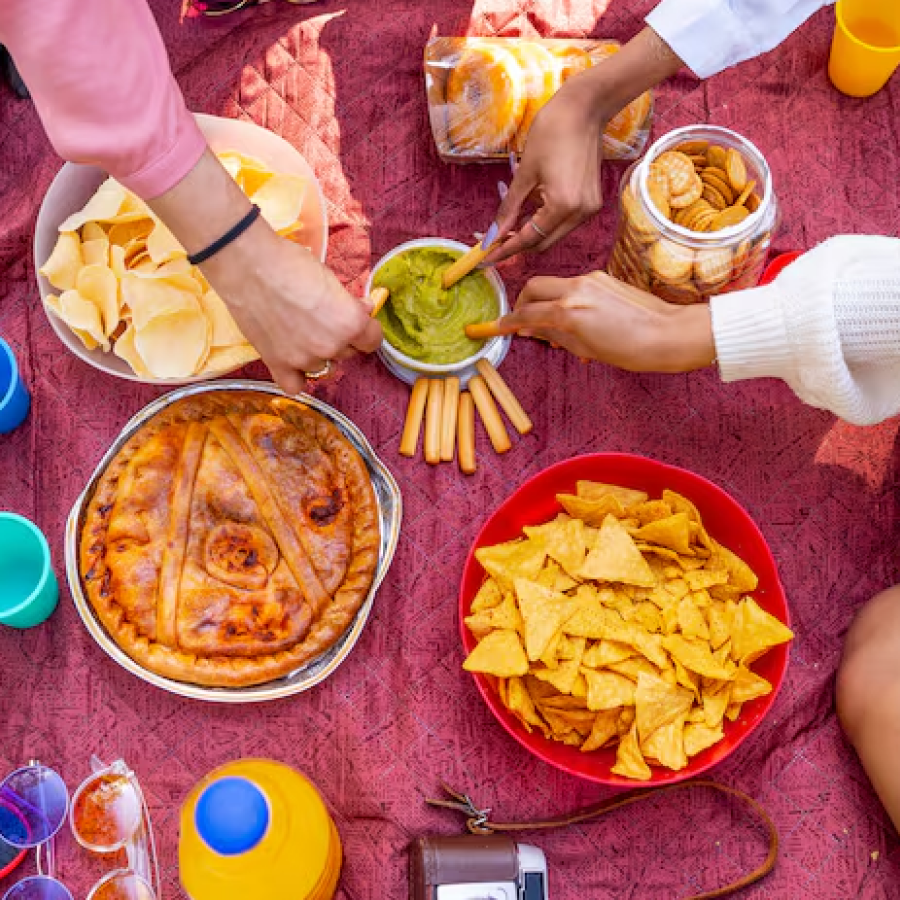
The future of snacking lies between function and indulgence
US snack sales reached $231 billion in 2025, on flat unit volumes. Circana’s global data shows the growth came from price rather than consumption, while Europe grew both value and volume. Raising prices is no longer a growth strategy.
Read more

‘Snealing’ reshapes snack category
Snackification has evolved into “snealing”: snacks eaten as meals. Consumers now expect a functional and nutritional payoff from every eating occasion, driven by GLP-1 use, convenience, and lower cost per occasion. For formulators, taste and value remain the first test any product has to pass.
Read more
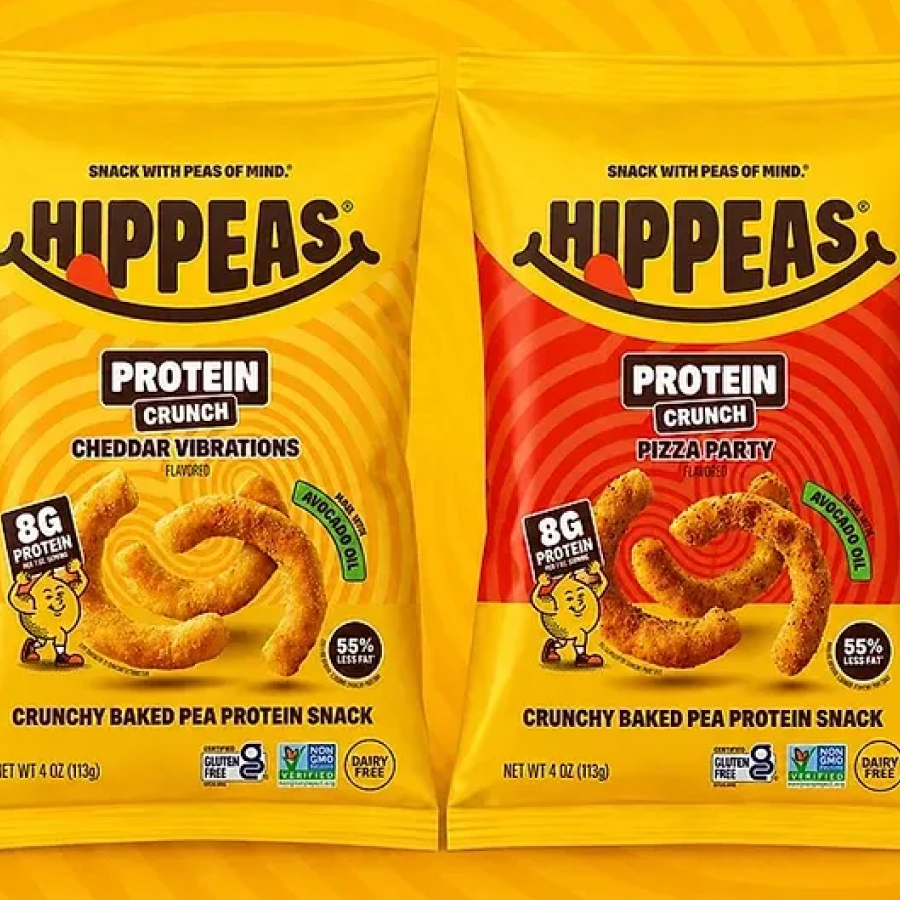
Breaking down the better-for-you snacking opportunity
Better-for-you has stopped being a purely subtractive exercise. The category is now as much about adding beneficial ingredients as it is about reducing the undesirable ones. Consumers want snacks that genuinely deliver nutritional value, not simply fewer calories. Protein leads that shift, with fiber emerging close behind as the real differentiator.
Read more

+1.5 Billion Servings Made Healthier and Counting
MicroSalt® technology has now surpassed 1.5 billion servings worldwide. The curve keeps steepening: manufacturers across snacks, bakery, and foodservice are proving every day that lower sodium and full flavor coexist at commercial scale. Every serving represents a consumer who didn’t have to compromise, and a brand that chose to lead the low sodium evolution rather than follow it.

IFT FIRST
The conversation has shifted. Manufacturers are no longer asking whether to reduce sodium, but how to do it without sacrificing taste or operational efficiency.
NACUFS
University dining halls feed millions of students every day, which makes campus foodservice one of the highest-leverage places to start.