

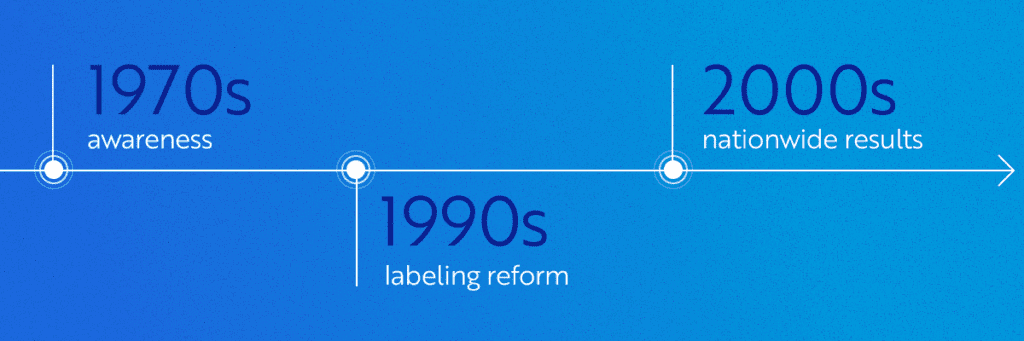
In the 1970s, Finland faced one of the highest cardiovascular mortality rates in Europe. Today, it stands as a global reference point for population-wide sodium reduction — proving that coordinated reformulation and transparent communication can transform public health.
Finland’s journey began with the North Karelia Project, which united policymakers, academia, and the food industry around a common goal: reducing salt consumption. Rather than relying solely on regulation, Finland’s government designed a multi-channel approach combining public education, labeling reforms, and industry collaboration.
The result? A sustained 36% decrease in sodium intake across the population between 1979 and 2007 — achieved primarily through voluntary product reformulation in staple categories like bread, meat products, and cheese.


Snack & Bakery Demand Climbs as Consumers Balance Health and Indulgence
The global bakery and snack sector continues to expand, with consumers increasingly seeking products that deliver both indulgence and nutritional balance.
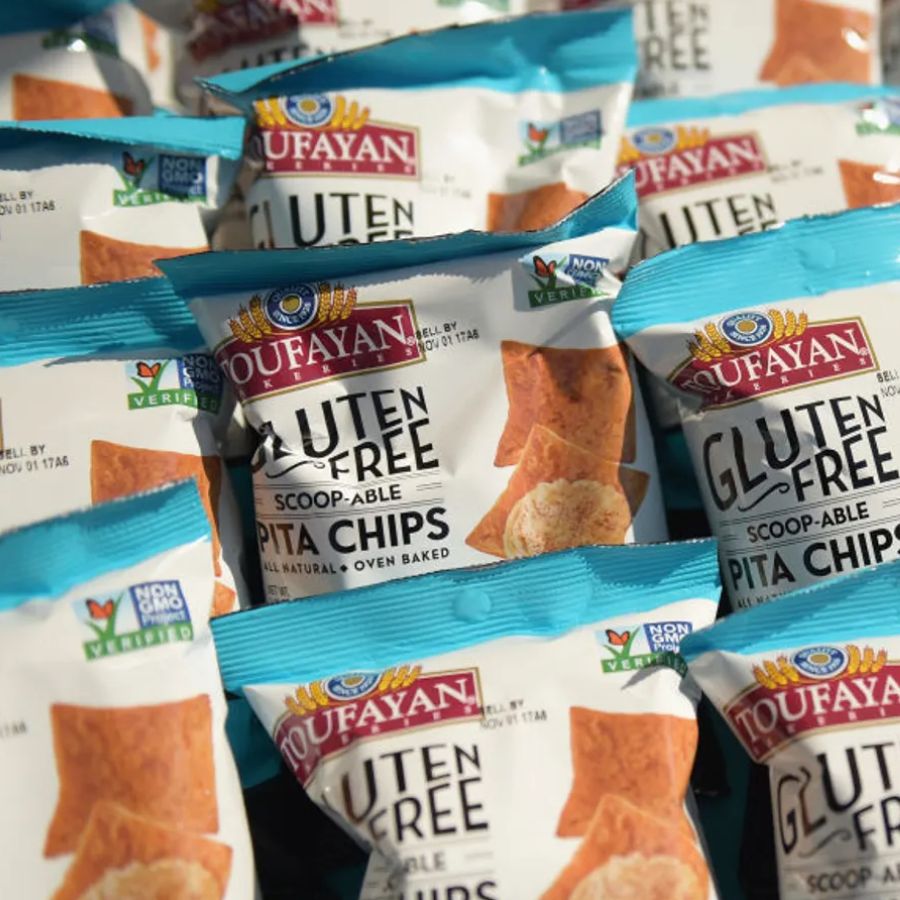
Gluten Disclosure Requirement Strengthens Label Transparency
A new report supports mandatory gluten content disclosure across packaged foods, part of a growing global movement toward comprehensive allergen and ingredient transparency.

Why AI Is the New Grocery Gatekeeper
Artificial intelligence is reshaping how consumers discover, compare, and select food products: from personalized nutrition recommendations to automated health scoring in retail.